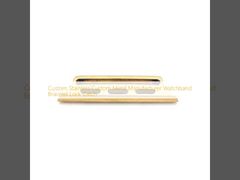
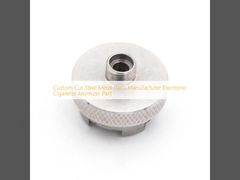
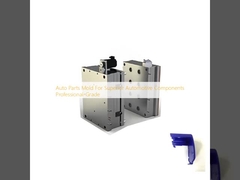
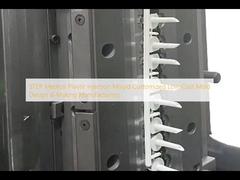
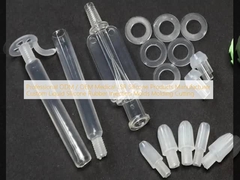
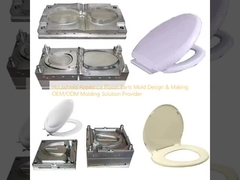
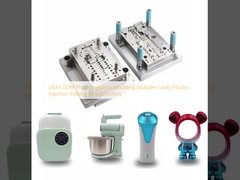
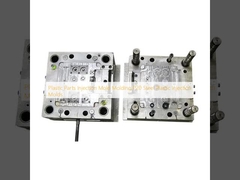
Brief: In this video, we showcase the manufacturing process and capabilities for producing custom cut stainless steel fabricated communication apparatus bases. You'll see how Herong Intelligent Co., Ltd. leverages advanced processes like powder metallurgy and precision casting to create components with tight tolerances and excellent material properties. We demonstrate the typical applications and design considerations for these critical communication infrastructure parts.
Related Product Features:
Custom fabrication from stainless steel for communication apparatus bases.
Specialized in small to medium-sized components with weights from 0.01 to 50 grams.
Capable of producing parts with dimensions ranging from 3mm to 200mm.
Utilizes advanced manufacturing processes including powder metallurgy and precision casting.
Offers various material options including copper, stellite, tungsten, and carbide alloys.
Components feature excellent wear resistance and thermal conductivity properties.
Suitable for applications in electrical engineering, telecommunications, and industrial machinery.
Provides comprehensive engineering support from design planning to mass production.
FAQs:
What is the typical accuracy range for your custom fabricated parts?
Our manufacturing processes typically achieve accuracy between 0.05 to 0.1, depending on the specific equipment and component requirements.
What manufacturing processes do you use for custom communication apparatus bases?
We utilize various processes including machining, injection molding, die casting, and powder metallurgy techniques, selected based on the specific product requirements and material properties needed.
Can your injection molded products receive surface treatments?
Yes, we offer various surface treatments including spray painting, silk screening, electroplating, and other finishing processes to meet specific application requirements.
What materials are available for custom stainless steel fabricated parts?
We work with multiple materials including copper, stellite, tungsten alloys, carbide (WC/Co), and neodymium-iron-boron magnets, each offering specific properties like conductivity, wear resistance, or magnetic strength.